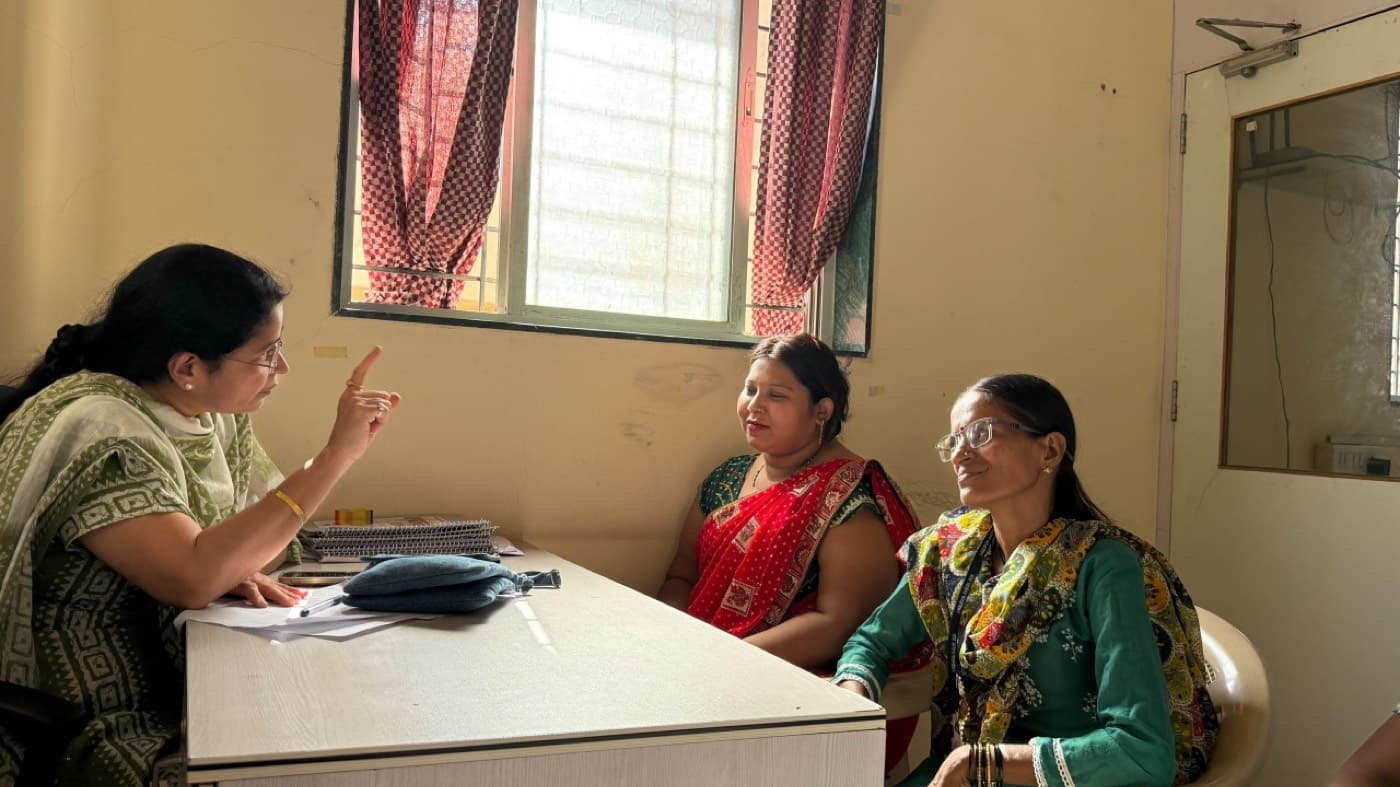
This Saturday, the directors of Seva Arogya Foundation spent time with our ground-level workers—the women who run our weekly health clinics and educational programs in underserved communities.
We discussed challenges, successes, and the realities of serving hundreds of families every week. What stayed with me, however, were two simple conversations.
Lesson 1: Fairness Matters More Than Favours:
Our weekly clinics charge a nominal fee of ₹20–₹40 per patient, which includes consultation and medicines. The amount is intentionally kept low so healthcare remains accessible while preserving dignity and ownership.
During our discussion, I asked one of our Arogya Sevika Tais a hypothetical question:
"If another Tai from our organization came to your clinic as a patient, would you charge her?"
Without hesitation, she replied:
"Sir, not only another Tai. Even if you came, I would charge you."
Everyone laughed.
Then she explained her reasoning:
"Other patients should never feel that some people are treated differently. If someone genuinely cannot afford it, we will help them. But if a person can afford the fee, not charging them would be unfair to everyone else."
In that moment, I was reminded that integrity is often not found in policy documents—it lives in the daily decisions people make when nobody is watching.
Lesson 2: The Deep Satisfaction of Creating Change
Later, I spoke with another Tai who conducts educational sessions for children and adolescent girls.
I asked her if she faced any difficulties.
Her answer surprised me.
"Sir, there were a few children who could neither read nor write when they first came. Today they can. When I see that, I feel privileged. I feel fortunate that I could contribute to their growth. I am thankful to you for giving me this opportunity."
Think about that for a moment.
She wasn't talking about hourly compensataion.
She wasn't talking about recognition.
She wasn't talking about promotions.
Her greatest reward was seeing a child learn.
The Real Source of Work Ethic
We often assume that work ethic, accountability, and job satisfaction come from compensation structures, management frameworks, or corporate culture initiatives.
Those things matter.
But sometimes the strongest examples of professionalism come from people working in the most modest circumstances.
A community health worker insisting on fairness.
A teacher finding joy in a child's progress.
Both reminded me that meaningful work is ultimately about purpose.
As leaders, we spend a lot of time designing systems and processes. Yet some of the most important lessons come from simply listening to the people who serve on the front lines every day.
This Saturday, I went to review our programs.
I returned with a renewed appreciation for integrity, humility, and the quiet pride that comes from making a difference in someone else's life.
First published on LinkedIn.